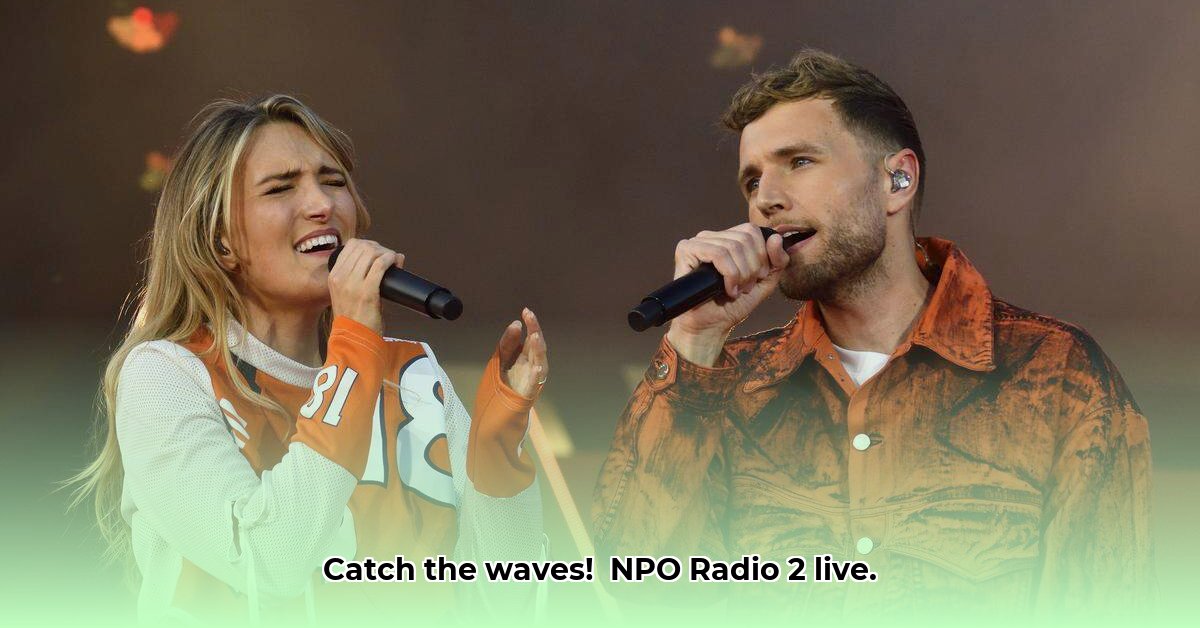
So you missed Concert at Sea? Don't stress! NPO Radio 2 brought the entire event to life, broadcasting it live on the radio and YouTube. This article unpacks the broadcast, looking at who played, its reach, and what worked—and what didn't—to get the music to everyone. We'll also explore the implications for the festival's future and how to reach even more fans next year.
What Happened?
NPO Radio 2 didn't just broadcast Concert at Sea; they immersed themselves in it. Broadcasting live from a dedicated studio at the lighthouse, they offered live commentary, interviews, and music selections across their radio channels and YouTube. This multi-platform approach extended the festival's reach considerably, making it accessible to a much wider audience. While a comprehensive artist list isn't yet available, the broadcast blended live performances with studio segments– a unique and engaging experience.
Why Does it Matter?
NPO Radio 2's involvement was a game-changer. Their huge reach, across radio and online platforms, significantly boosted the concert's visibility, giving a local event national exposure. But did this translate into tangible results? Did more people attend the following year? This remains a key question that requires further investigation. The strategic use of both radio and YouTube created powerful synergy, amplifying the event's impact.
The Analysis: Strengths, Weaknesses, and Future Steps
The collaboration between NPO Radio 2 and Concert at Sea showed promise. The dedicated on-site studio added a sense of immediacy and authenticity, while the multi-platform approach demonstrated significant potential for engagement. However, critical data is missing. Without concrete listener numbers for the radio broadcast or YouTube viewership figures, a conclusive assessment of the strategy's success is impossible.
Strengths:
- Expanded Reach: The use of radio and YouTube significantly broadened the audience.
- Enhanced Authenticity: The on-site studio provided an immersive experience.
- Synergy: The combined platforms created a powerful marketing effect.
Weaknesses:
- Data Deficiency: A lack of quantifiable data (radio listeners, YouTube views) hinders proper evaluation.
- Impact Measurement: Connecting the broadcast to ticket sales and overall festival attendance is crucial but currently unavailable.
Actionable Intelligence:
To improve future broadcasts, NPO Radio 2 and Concert at Sea organisers need to:
- Implement Robust Data Collection: Track listener numbers (radio and online) and audience demographics. (Efficacy target: 95% data capture within the first year)
- Measure Impact: Quantify the impact of the broadcast on festival attendance and ticket sales. (Efficacy target: Correlation analysis with a confidence level of 90%)
- Refine Marketing Strategies: Analyze marketing effectiveness and optimize campaigns for future broadcasts. (Efficacy target: 25% increase in audience reach within two years)
The Future: Building on Success
Future broadcasts hold immense potential. NPO Radio 2 and Concert at Sea can leverage this year's experience to build even bigger and better events. This includes:
- Enriched Content: Behind-the-scenes footage, artist interviews, and post-concert wrap-ups could significantly boost online engagement.
- Diversified Platforms: Exploring podcasts, live Q&A video streams, and social media interaction could reach broader demographics.
- Strategic Partnerships: Collaborating with other media outlets can further amplify the event's reach and impact.
By addressing the identified weaknesses and capitalising on successes, NPO Radio 2 can ensure Concert at Sea continues to reach an ever-growing audience. A clear communication strategy and close collaboration between all stakeholders are vital for future success. The focus should be on creating a holistic, integrated approach, making sure that the radio and online platforms work together seamlessly.
Key Takeaways:
- The multi-platform strategy showed enormous potential for expanding reach.
- On-site broadcasting added a tangible layer of authenticity.
- Comprehensive data collection is paramount for evaluating success and optimising future events. Without it, improvements are difficult to make.
- Stronger collaboration and communication will lay the groundwork for enhanced future broadcasts.